

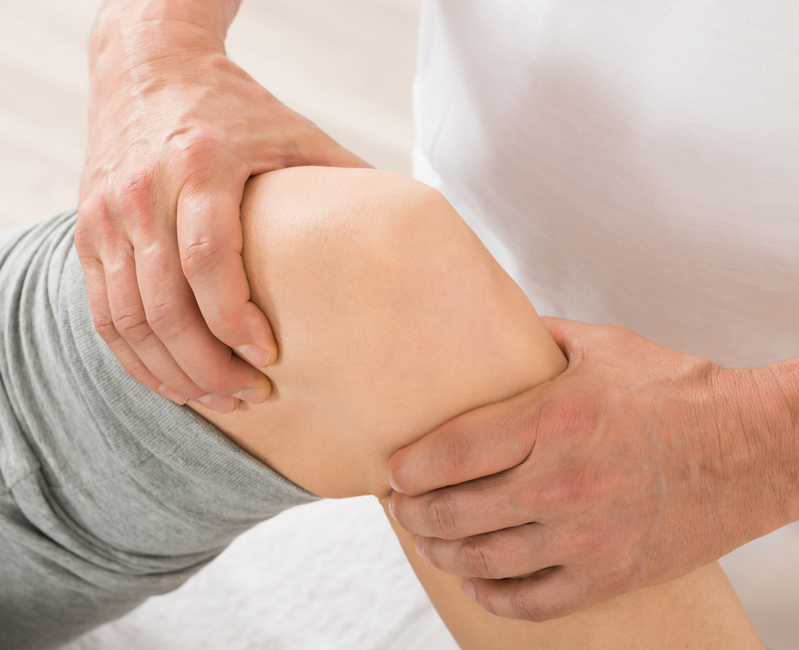
Knee pain is a common problem in people over 50 years of age. As we grow older, the cartilage between the joints starts to deteriorate. In some cases, it is also caused due to an injury or trauma. Even being overweight or obese can cause the cartilage to deteriorate. This causes the bones to rub or grind against each other, resulting in immense pain, swelling, and inflammation. This is also known as knee osteoarthritis. Matching the treatment to the driver starts with the main causes of knee pain.
The cartilage acts as a cushion between the joints. Once the cartilage starts to deteriorate, there isn’t much you can do about it apart from surgery. Knee replacement surgery uses knee implants and may take months to heal. This is where the best pain management specialist near me will suggest knee gel injections.
Gel injections for arthritic knees are a great alternative pain management treatment. This is your last resort before your doctor recommends you to get under the knife.
This post covers what you need to know about knee pain, from what causes it to what the treatment options actually are. Each of those routes is compared in more detail in the treatment options for knee pain.
What causes knee pain?

There are several reasons why an individual may suffer from knee osteoarthritis. Osteoarthritis (OA) is the most common form of arthritis and one of the leading causes of disability. Nevertheless, the most common cause is age.
As you age, your body’s ability to heal quickly is compromised. So, it takes significantly greater time to heal the cartilage in an older person. Irrespective of that, almost everyone, at some point in their life, will develop some degree of osteoarthritis. But, there are several factors that increase the risk of developing knee osteoarthritis at an early age. They include:
● Weight: As you gain weight, it increases the pressure on your knee joints. Since the primary role of your knee is to support your upper body, for every pound you gain, it will be adding 3-4 pounds of extra weight on your knees. This drastically affects the cartilage between the knee joints. And with constant activities that involve knee movement, the cartilage deteriorates.
● Athletics: If you are involved in some kind of sports like soccer, football, basketball, etc. then you are at a higher risk of developing knee problems. When you jump, sprint, and perform other sports activities that put pressure on your knees, the cartilage can get damaged. Thus, you need to take proper precautions as well as take care of your nutrition.
● Repetitive Stress Injuries: Those who lift weights are prone to these injuries. Also, these injuries are a result of the type of jobs people do. Any activity that involves stressing the joints can cause knee osteoarthritis.
● Family History: If someone in your family has knee problems, then you are likely to get one. The inherited abnormalities can cause the knee joints to degrade over time.
● Other Diseases: People with metabolic disorders like excess growth hormone or iron overload run the risk of knee osteoarthritis. Also, people with rheumatoid arthritis can also get osteoarthritis.
Knee Gel Injections for Knee Pain
Your pain management specialist may suggest injections as a treatment for knee pain. The gel injections for arthritic knees take up the role of the cartilage. Since the cartilage between the joints prevents the bones from grinding, the gel injection works similarly. It is injected directly into the knee joint to provide immediate relief. While there are several different types of knee gel injections available, doctors prefer corticosteroid injections. Who should be running that assessment in the first place is discussed in which doctor treats knee and leg pain.
Recently, Duke University researchers said that they’ve created an experimental gel that’s the first to match the strength and durability of cartilage. The team says eventually the research could offer new options for people with knee pain.

What are corticosteroid injections?
Corticosteroid is a drug that is designed to act the same way as the natural cortisol hormone produced by the body. Cortisol is responsible for working with the immune system to reduce inflammation and relieve pain.
The FDA has approved five different knee gel injections to treat knee pain. You should read the approved knee gel injection reviews so that you can make an informed decision. The gel injection for knee pain is performed with the help of ultrasound as it helps in locating the exact spot where the needle must be inserted.
It is a minimally invasive procedure, and the doctor may give you an injection of anesthetic pain relief along with the gel injection.
Please note that steroid injections are only for pain management. That is, it only provides temporary pain relief. For effective pain management, appropriate rehabilitation is also necessary.
Frequently asked questions
Is knee osteoarthritis the same as rheumatoid arthritis?
No. Osteoarthritis is wear and damage to the cartilage surface, usually in one or two joints that have taken the most load. Rheumatoid arthritis is an immune condition that inflames the joint lining, often on both sides of the body and in several joints at once. They are managed differently, so telling them apart matters.
Does knee arthritis always affect both knees?
No. Osteoarthritis often starts in one knee, particularly where an old injury, a leg length difference or a habitual way of loading that side is part of the picture. Many people eventually notice changes in the other knee as it takes on more work, but one-sided arthritis is common and does not mean something was missed.
Do arthritic knees really hurt more in cold or damp weather?
Many people report that they do, although research linking weather to joint pain has been inconsistent. Cold tends to leave muscles and soft tissue stiffer, and activity levels often drop in poor weather, both of which can make a knee feel worse. It reflects comfort on the day rather than a change in the arthritis itself.
If knee arthritis runs in the family, can it be prevented?
Family history raises the risk without fixing the outcome. The factors that can actually be influenced are the familiar ones: muscle strength around the knee, body weight, treating old injuries properly, and avoiding long stretches of heavy repetitive loading. None of that removes an inherited tendency, though it can affect how much trouble the joint causes.
Not sure which knee treatment actually fits?
An assessment says plainly which non-surgical options apply. More on knee pain.
Serving Brooklyn, the Five Towns, and Monsey.


