
Struggling with chronic, muscular, or joint pain?
You don’t have to get used to living with it.
Ongoing pain can affect every aspect of your life, physically, emotionally, and mentally. Whether you’ve been dealing with persistent pain for years, muscle discomfort that limits your daily activities, or an injury that just won’t heal, searching for real, lasting relief can be frustrating.
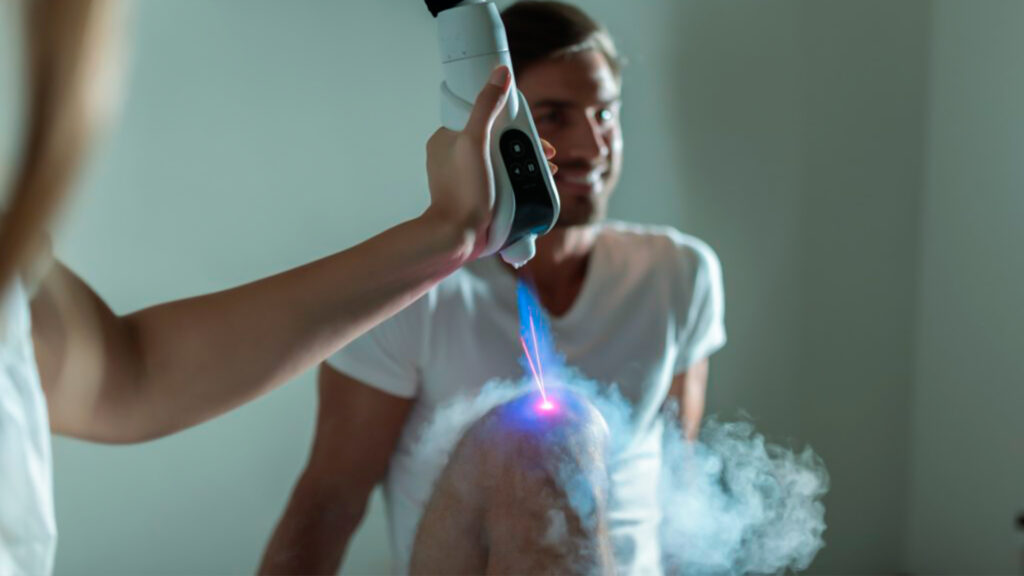
There is a modern, safe, and highly effective option: cryotherapy, also known as extreme cold therapy. This non-invasive treatment is transforming how pain is managed around the world, and now, it’s available to you, guided by professionals who care about your well-being. What cold treatment does beyond short-term relief is set out in cryotherapy beyond the chill.
What is Cryotherapy and How Does It Work?

Cryotherapy involves brief, controlled exposure to extremely low temperatures (below -100 °C / -148 °F). This cold shock triggers a powerful physiological response that activates your body’s natural healing mechanisms and reduces pain.
During a session, blood flow to the affected area temporarily decreases, which reduces inflammation and metabolic activity. As your body returns to its normal temperature, blood rushes back in, flushing out toxins, delivering oxygen to tissues, and speeding up recovery. At the same time, endorphins are released, creating a natural sense of pain relief and overall well-being.
It’s not just about treating symptoms, it’s about restoring your quality of life.
✅ Proven Benefits of Cryotherapy
Applied professionally and with the right frequency, cryotherapy offers a wide range of therapeutic benefits, including:
● Significant reduction of inflammation and swelling
Especially helpful in chronic inflammatory conditions, sports injuries, and post-surgical recovery.
● Immediate natural pain relief
Cold temperatures reduce nerve sensitivity, providing fast analgesia without medication.
● Endorphin release for emotional balance
Improved mood, reduced anxiety, and better sleep.
●Faster muscle recovery and tissue healing
Ideal for athletes or physically active individuals with high recovery demands.
● Enhanced joint mobility and flexibility
Reduces stiffness and restores freedom of movement.
● Boosted immune system response
Regular sessions may strengthen your body’s natural defense mechanisms.
Who Can Benefit from Cryotherapy?
Cryotherapy isn’t just for high-performance athletes. It is often used by everyday people of all ages and activity levels who are looking for safe, natural pain relief. This treatment is especially beneficial for:
✔ Arthritis and osteoarthritis
✔ Tendinitis, bursitis, and joint inflammation
✔ Muscle strains, tears, or overuse injuries
✔ Lower back pain, neck stiffness, or sciatica
✔ Fibromyalgia and chronic fatigue
✔ Post-surgical pain and recovery support
✔ Delayed onset muscle soreness (DOMS)
✔ Unexplained chronic pain Its role in long-standing pain is discussed in cryotherapy and chronic pain.

Personalized Treatments with Professional Support
Ideally, your treatment should be as unique as your pain. That’s why every cryotherapy plan should begin with a thorough consultation, covering your symptoms, medical history, and personal goals.
That assessment guides a fully personalized cryotherapy protocol, tailored to deliver results in the safest, most effective way possible. You’ll be supported by a team of licensed professionals in physiotherapy, rehabilitation, and pain management. Ensuring your experience is both beneficial and safe from start to finish.
Frequently asked questions
Who should avoid whole-body cryotherapy?
Extreme cold is generally avoided in people with poorly controlled high blood pressure, significant heart or lung disease, Raynaud phenomenon, cold urticaria or cryoglobulinemia, and in pregnancy. Caution also applies where sensation is reduced, as in advanced neuropathy, because the warning signals from the skin may not register. A health history review before the first session is where these are picked up.
What do you wear inside a cryotherapy chamber?
Usually minimal dry clothing plus protective items: gloves, socks, footwear and often a headband or mask, with jewelry removed. The skin has to be completely dry, since moisture on the surface raises the risk of a cold injury. Sessions are short and supervised for the same reason. Requirements vary by device, so the operator gives specific instructions before the first visit.
Can skin be injured at temperatures below minus 100 degrees?
Yes, which is why exposure is timed in minutes and monitored throughout. Cold burns and frostbite are the recognized risks, and they are linked to damp skin, contact with cold surfaces, metal jewelry, or staying in beyond the set time. Numbness, waxy white patches, or pain that continues after rewarming should be reported rather than ignored.
Is there an option for someone who cannot tolerate extreme cold?
Yes. Localized cold applied to one region, cooler and longer exposures, or simple ice applied at home all deliver cold without the intensity of a chamber. Claustrophobia, low blood pressure and poor cold tolerance are common reasons people choose them. The alternative chosen matters less than whether the cold is doing anything useful for the symptom.
Wondering whether cryotherapy applies to your pain?
A physician-led evaluation matches the treatment to the diagnosis. More on cryotherapy.
Serving Brooklyn, the Five Towns, and Monsey.


