
🧊 Cryotherapy: Beyond the Chill
Cold That Heals – A Scientific Tool for Regeneration
Most people associate cold with discomfort or temporary relief, ice packs, cold showers, or post-exercise recovery. But in clinical pain management, Cryotherapy is a powerful tool for inflammation control, tissue healing, and accelerated recovery.
In clinical settings, cryotherapy isn’t just a standalone solution. It’s part of a regenerative care system used to support patients dealing with post-surgical swelling, nerve irritation, joint stiffness, and chronic inflammatory pain. And all of it, without the risks of long-term medication use.
❄️ What Is Cryotherapy?
Cryotherapy refers to the controlled application of cold temperatures to the body or specific areas to produce therapeutic effects.
It activates:
- ❄️ Vasoconstriction, limiting blood flow and reducing swelling
- 🧠 Neural desensitization, calming overactive pain receptors
- 🦠 Immune modulation, reducing pro-inflammatory cytokines
- 🔁 Post-treatment rebound circulation, which brings nutrients and oxygen for healing
Cryotherapy may include:
- Localized cold air blasts
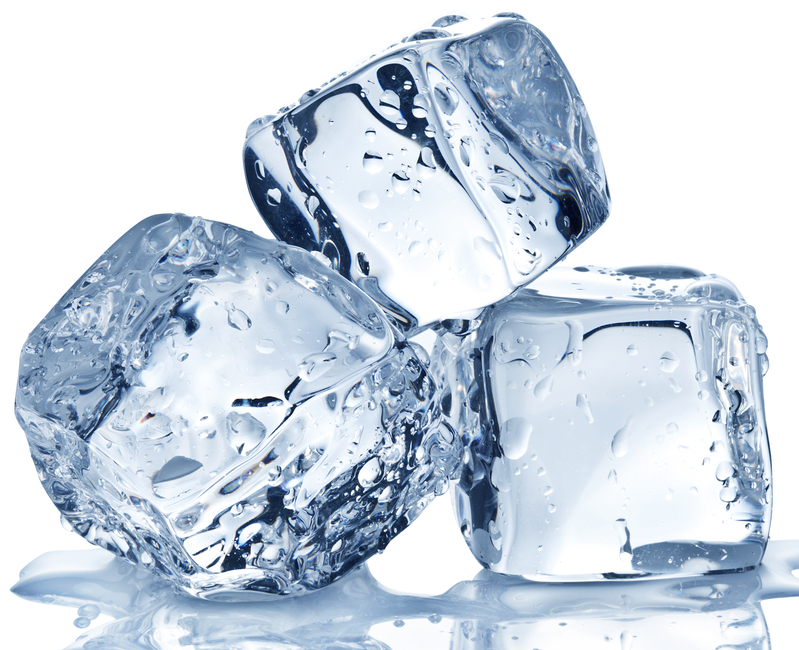
- Ice massage and cold packs
- Whole-body cryo-chamber sessions
🧬 What Conditions Benefit from Cryo?
Cryotherapy is clinically proven to support a variety of acute and chronic conditions:
- 📌 Joint inflammation (knees, shoulders, spine)
- 📌 Muscle strains and overuse injuries
- 📌 Post-surgical swelling and bruising
- 📌 Nerve pain (e.g., sciatica, TMJ)
- 📌 Bursitis or tendonitis
- 📌 Trigger points and soft tissue stiffness
It’s especially useful in recovery programs when patients experience:
- Delayed onset muscle soreness
- Sensory hypersensitivity
- Limited range of motion due to pain
🧠 The Science Behind Cryo Recovery
Cold exposure activates the autonomic nervous system and increases norepinephrine levels, which improves mood, reduces sensitivity, and accelerates the anti-inflammatory response.
Other physiological effects include:
- Decreased nerve conduction velocity (for pain relief)
- Reduced oxidative stress
- Improved lymphatic drainage
This combination makes cryotherapy not only a pain reducer, but also a tissue optimizer.
🔄 Combining Cryotherapy
Cryo is rarely used alone. It is integrated into plans that include tissue repair, movement re-education, and neuromuscular reset.
| Therapy | How It Works with Cryo |
|---|---|
| ⚡ EMTT | Cryo calms nerve overactivity while EMTT reactivates cellular function |
| 🛠️ TECAR Therapy | Used post-cryo to rewarm and restore circulation |
| 🧠 AIMS | Improves neuromuscular control after pain is reduced |
| 🧍 Physical Therapy | Enhances tolerance to exercise by reducing pre-session pain |
| 💧 HA Injections | Cryo eases swelling in joint spaces after treatment |
The synergy between cold and movement is key to restoring full-body function.
🛡️ Is Cryotherapy Safe?
Yes. When performed by professionals, cryotherapy is very safe. Sessions are brief, controlled, and adapted to your condition.
Contraindications:
- Raynaud’s disease
- Poor circulation in treated limbs
- Active skin infections or open wounds
Before starting, a clinical evaluation determines the right temperature, time, and zone of application.
🔍 What to Expect
During your cryotherapy session:
- You may feel a strong chill, but it is tolerable and short (2–10 minutes)
- You’ll be monitored for skin and nerve response
- You can resume daily activity immediately after
Most patients notice immediate improvement in pain, swelling, and ease of movement.
📈 Results You Can Expect
- ✔️ Pain relief without medications
- ✔️ Faster soft tissue recovery
- ✔️ Reduced joint inflammation
- ✔️ Better response to rehab and movement therapy
- ✔️ Reduced reliance on NSAIDs or steroid injections
Over time, patients experience improved range of motion, energy, and fewer flare-ups.
🏥 Conclusion
Cryotherapy isn’t just cold, it’s smart, clinical recovery.
From athletes to seniors, from surgical rehab to nerve pain relief, cryotherapy is a modern tool in integrative care systems. Helping patients move better, feel better, and heal faster
Frequently asked questions
How is clinical cryotherapy different from an ice pack at home?
Mainly control. Clinical application delivers a defined temperature for a defined period to a defined area, which makes the tissue response predictable. A home ice pack warms steadily and is applied by feel, so depth and duration vary. Both reduce inflammation; only one is repeatable.
Does reducing inflammation slow healing?
Inflammation is part of healing, so the aim is moderation rather than elimination. Cold treatment is used to keep the response proportionate when swelling and pain are limiting movement. The tradeoff is real and is why cold is applied in defined windows rather than continuously.
When is cold treatment appropriate after an injury?
Most often in the early phase, when swelling and pain restrict movement. Once the acute stage passes, the priority usually shifts toward restoring motion and load tolerance, where warmth and activity are more useful. Timing is matched to the stage, not applied by default.
Who should avoid cold-based treatment?
People with conditions affecting circulation or cold sensitivity, including Raynaud’s phenomenon, cryoglobulinemia and cold urticaria, and anyone with reduced sensation in the area being treated. Reduced sensation matters because it removes the warning signal that would normally stop treatment.
Wondering whether cryotherapy applies to your pain?
A physician-led evaluation matches the treatment to the diagnosis. More on cryotherapy.
Serving Brooklyn, the Five Towns, and Monsey.


