

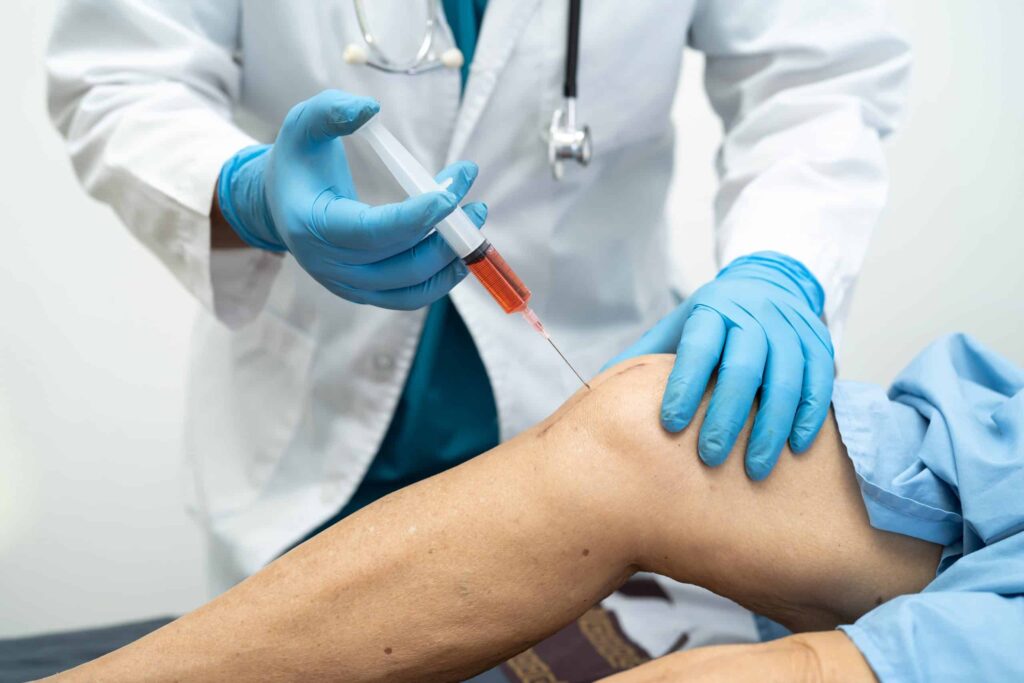
Regenerative pain medicine represents a shift in how chronic pain is approached, moving from simply managing symptoms toward supporting the body’s own ability to heal. Here is what that shift looks like in practice.
What regenerative pain medicine means
Rather than focusing solely on masking pain signals, regenerative approaches aim to support the underlying tissue’s own repair processes, whether through technology-based treatment or other targeted interventions.
The role of drug-free technology
Shockwave therapy, EMTT, and Class IV laser therapy are three of the more established regenerative-focused, drug-free technologies currently used in modern pain clinics, each working through a different mechanism to support tissue repair.
Why this approach is gaining traction
Patients are increasingly looking for options that address the root cause of pain, not just temporary relief, particularly as awareness grows around the risks of long-term medication use.
Setting realistic expectations
Regenerative approaches are not instant fixes, and results build over a series of sessions rather than appearing after a single visit. They work best as part of a complete, personalized treatment plan.
Modern healthcare is increasingly making room for approaches that work with the body rather than only against the symptom, and Brooklyn patients now have access to this shift through drug-free, technology-based care.
Frequently asked questions
Is regenerative pain medicine the same as PRP or stem cell therapy?
No. PRP and stem cell treatments are biologic injections that place material from the body into the tissue. Energy-based regenerative options such as shockwave, EMTT and Class IV laser are applied from outside the skin and use acoustic, electromagnetic or light energy instead of injected material. Both aim at repair rather than masking pain, but they differ in how invasive they are.
Can regenerative treatment help if a tendon or joint is already badly worn?
It depends on how much viable tissue remains. These approaches work by prompting repair in tissue that still has the capacity to respond, so advanced structural damage limits what they can realistically achieve. An examination and imaging help set the goal, which in severe cases may be better comfort and function rather than any change to the structure itself.
How do you tell whether a regenerative treatment plan is actually working?
Progress is usually judged by function rather than by a single pain score. Providers often track walking distance, standing tolerance, sleep quality and which activities have become possible again, comparing those across several weeks. Because the effect builds gradually, a planned review partway through a course tends to be far more informative than judging the response after one session.
Is there an age limit for regenerative pain treatment?
Age by itself is rarely the deciding factor. What matters more is the state of the tissue, circulation, and whether conditions such as poorly controlled diabetes, smoking or long-term steroid use have reduced healing capacity. Older adults are treated with these approaches routinely, with expectations set by the examination and imaging rather than by a number on the chart.
Pain that has not responded to what you have already tried?
A physician-led evaluation finds the driver first, then builds a non-surgical plan around it. More on chronic pain.
Serving Brooklyn, the Five Towns, and Monsey.


