
Physical and occupational therapy remain two of the most established, evidence-based tools in pain management, and understanding the difference between them can help patients get more out of their treatment plan.
What physical therapy focuses on
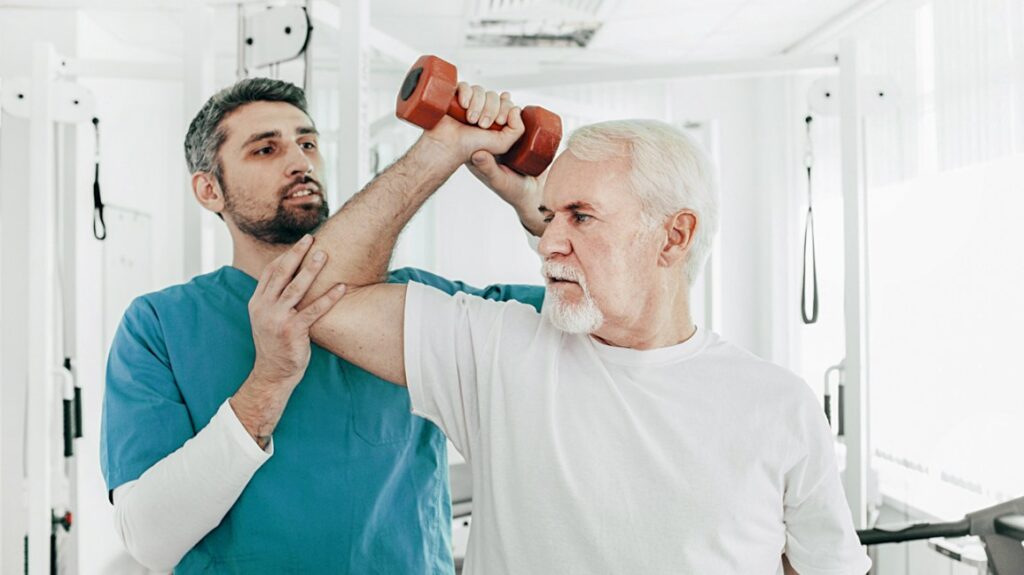
Physical therapy generally focuses on restoring movement, strength, and function, often through targeted exercises, stretching, and manual techniques designed to address a specific injury or condition.
What occupational therapy focuses on
Occupational therapy focuses more on helping patients perform daily activities and tasks, adapting movement patterns or routines so patients can return to work, hobbies, and everyday life with less pain and greater independence.
How these therapies complement drug-free treatment
Physical and occupational therapy often work well alongside technology-based treatments like shockwave therapy, EMTT, and Class IV laser therapy, addressing both the underlying tissue and the functional movement patterns that surround an injury.
Building a complete recovery plan
Combining therapy with drug-free technology gives patients a more complete plan, one that addresses pain directly while also rebuilding the strength and habits needed to prevent it from returning.
If you are recovering from an injury or managing chronic pain, ask your Brooklyn pain management provider how physical or occupational therapy could fit into your broader treatment plan.
Frequently asked questions
Can physical therapy and occupational therapy happen at the same time?
Yes, and they often overlap by design. One side works on movement, strength and mobility, the other on performing daily tasks with less pain, so the two plans are normally coordinated rather than run in competition. Where scheduling limits how many visits are realistic, the therapists usually agree between them which focus comes first.
Is occupational therapy only for people going back to work?
No. Occupation here means any daily activity that matters to a person, from dressing and cooking to gardening, driving or lifting a grandchild. Returning to a job is one common goal, but occupational therapy is used just as often by retired people who want everyday tasks to be less painful and more manageable.
Should therapy come before or after treatments like shockwave or laser?
Often both, in sequence. Technology-based treatments are frequently timed to settle pain and prepare tissue so that strengthening and movement work can be tolerated, and the therapy that follows is what tends to make the gains hold. The order depends on the diagnosis and on how irritable the area is at the time.
Do home exercises between sessions actually matter?
They usually matter more than the sessions themselves. An hour a week in a clinic is a small share of the load a joint sees, and most therapy programs are built around what gets repeated at home. Saying honestly what is and is not being done at home lets the program be adjusted rather than quietly abandoned.
Physical therapy that did not get you all the way there?
A fresh evaluation looks at what was never tested. More on physical and occupational therapy.
Serving Brooklyn, the Five Towns, and Monsey.


