

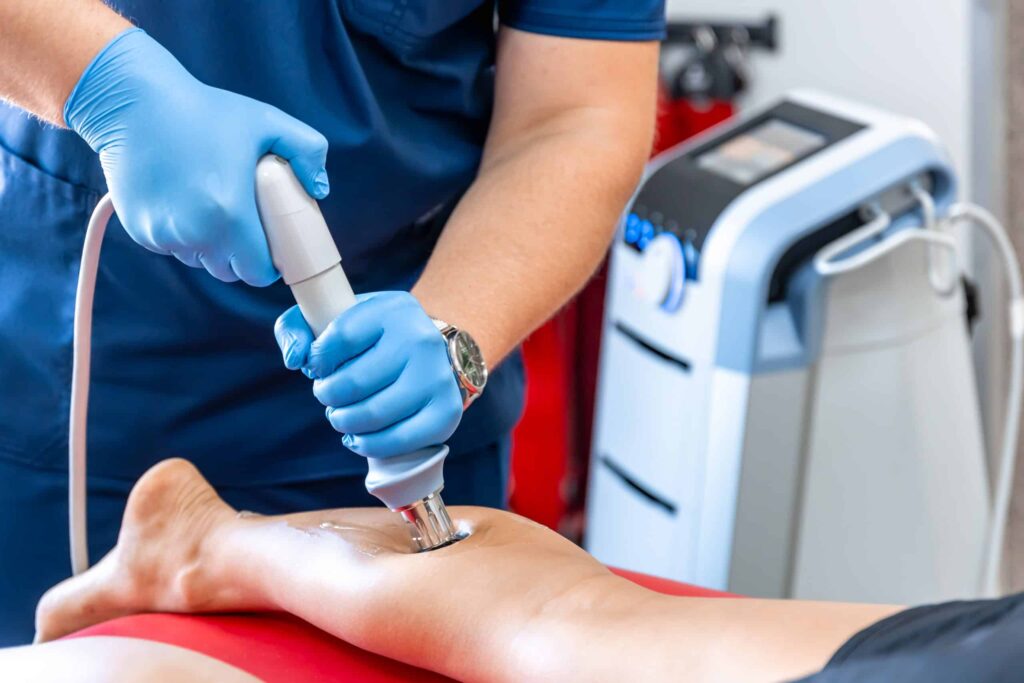
🧲 How EMTT Reactivates Nerve Function
The Pain You Can’t See… But Definitely Feel
Nerve-related pain doesn’t always show up on X-rays. It can manifest as burning, tingling, numbness, or electric-like sensations traveling through the body. This type of pain, called neuropathic pain, is one of the most difficult to treat… until now.
One advanced, drug-free option for nerve pain is Electromagnetic Transduction Therapy (EMTT). This therapy is changing how damaged nerves heal, and how patients reclaim quality of life.
What Is EMTT and How Does It Work?
🔹 Penetrates up to 20 cm deep
🔹 No heat, no pain, no direct skin contact requirez
🔹 Boosts cellular energy (ATP) production
🔹 Enhances electrical conduction in damaged nerves
Unlike superficial magnetic therapies, EMTT works at the neurocellular level, helping nerves “reset” and resume proper function.
🧠 Why EMTT Is Key for Nerve Recovery
When nerves are inflamed or damaged, they often send pain signals uncontrollably. EMTT helps regulate those signals, reduce nerve hypersensitivity, and improve how nerves communicate with the brain.
It’s especially effective for:
📌 Diabetic and peripheral neuropathy
📌 Chronic sciatica
📌 Spinal cord or nerve root injuries
📌 Carpal tunnel syndrome
📌 Post-surgical nerve pain
📌 Chronic neuralgias
💡 What to Expect During an EMTT Session
- The patient lies comfortably. No need to undress.
- The therapist positions the applicator over the pain zone.
- The electromagnetic field activates, completely painless.
- Each session lasts about 15–20 minutes.
Internally, cell membranes are reactivated, cellular metabolism improves, and the regeneration of nerve tissue begins. All of this, without needles, drugs, or surgery.
🧬 Clinical Studies & Scientific Support
Multiple clinical studies from Europe and the U.S. have shown that EMTT significantly improves outcomes for patients with nerve-based chronic pain:
- Reduced hypersensitivity and pain perception
- Improved nerve conduction velocity
- Decreased reliance on opioids or analgesics
- High patient satisfaction and improved functional mobility
EMTT is CE-certified in Europe and rapidly gaining adoption in advanced U.S. rehabilitation centers.
🧰 How EMTT Works with Other Advanced Therapies
EMTT is usually part of a comprehensive plan tailored to the patient. It’s often combined with:
| Advanced Therapy | How It Supports Recovery |
|---|---|
| 🔬 Laser Therapy | Enhances superficial tissue oxygenation |
| ⚡ Shockwave Therapy | Triggers healing in chronic soft tissues |
| 💉 PIT Therapy | Calms peripheral nerve inflammation |
| 🧠 AIMS | Re-trains muscle and nerve coordination |
| 🏋️ Functional PT | Restores movement and prevents relapse |
This multimodal model not only reduces pain, but supports neurological recovery from the root.

🛡️ Is EMTT Safe?
Yes. EMTT is one of the safest non-invasive technologies in chronic pain care. It is not recommended only for individuals with pacemakers, electronic implants, or during pregnancy.
Ideal for patients who:
- Can’t tolerate medication
- Want to avoid surgery
- Have not responded to conventional treatment
- Are looking for a regenerative and drug-free option
📈 Expected Results
- 📅 Pain reduction in 3–6 sessions
- 📅 Improved sensation, mobility, and daily function
- 📅 Lower need for pain meds
- 📅 Better energy and restful sleep
Treatment plans are customized, but typically involve 6 to 10 sessions over several weeks.
🏥 Conclusion
EMTT doesn’t just mask pain, it treats it at the source.
For those living with neuropathic pain, EMTT opens the door to a future with less medication, more freedom, and a return to full-function living. And the best part: it’s available today, right here in Brooklyn.
Frequently asked questions
Can EMTT help when numbness has been present for years?
It may still be worth assessing, but expectations should be realistic. Nerves that have been irritated or compressed for a long time can retain some capacity to recover, whereas nerve fibres that have been lost are a different matter. Long-standing numbness generally responds less predictably than pain or tingling, and the underlying cause strongly influences the outcome.
Is it normal for tingling to increase after an EMTT session?
A temporary increase in tingling or sensitivity during the days after treatment is reported and is not in itself alarming. What should be reported promptly is new weakness, spreading numbness, or pain that is clearly worse and not settling, since those may mean the dose needs changing or the working diagnosis needs to be reviewed.
Does EMTT help neuropathy caused by chemotherapy?
Evidence in chemotherapy-related neuropathy is limited compared with diabetic and compressive nerve problems, so it cannot be presented as an established treatment for that cause. It is sometimes used as one part of a broader plan when symptoms persist. Any treatment during or soon after cancer therapy should first be cleared with the treating oncology team.
Will EMTT results last if the underlying cause is not controlled?
Usually not for long. Where a nerve is still being injured by poorly controlled blood glucose, ongoing compression, a nutritional deficiency, alcohol or a medication side effect, any improvement tends to erode. Treating the nerve and treating the cause are complementary, and identifying that cause is generally the first step rather than an afterthought.
Wondering whether EMTT applies to your condition?
A physician-led evaluation matches the technology to the diagnosis. More on EMTT therapy.
Serving Brooklyn, the Five Towns, and Monsey.


