
💧 Heal Without Impact: Aqua Therapy + AIMS in Functional Pain Rehab
🌿 Low-Impact Functional Therapies to Restore Movement and Neuromuscular Control
🔎 Introduction: A New Paradigm in Pain Management
For decades, traditional approaches to musculoskeletal pain have focused on medication, rest, or early surgical intervention.
However, modern pain rehabilitation has shifted toward a more functional model, one that views pain not just as a symptom, but as a signal of underlying dysfunction. Why water-based work allows earlier loading is explained in aqua therapy as impact-free rehabilitation.
In this evolving paradigm, low-impact interventions like Aqua Therapy and Intramuscular Stimulation (AIMS) are emerging as powerful tools to address both the symptoms and root causes of pain, while avoiding unnecessary stress on sensitive tissues.
The goal is no longer just to reduce pain, but to restore healthy movement patterns, retrain the body, and prevent relapse.
💦 Aqua Therapy: Smart Rehabilitation Through Water
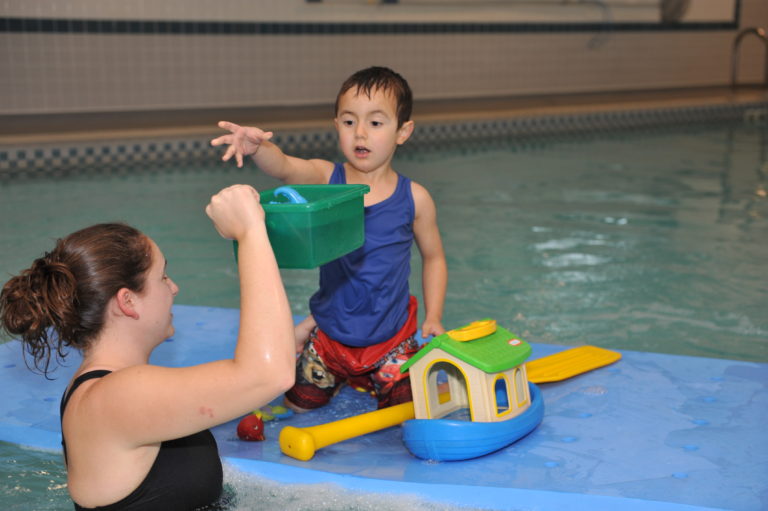
Aqua Therapy is far more than hydrotherapy, it’s a clinically grounded method that uses water’s unique physical properties to rehabilitate the body.
Immersion in water dramatically reduces gravitational load, easing stress on joints, spinal discs, and damaged soft tissue. The mechanism behind water-based rehabilitation is examined in the science behind aqua therapy.
🔹 Clinical Benefits of Aqua Therapy:
- Decompresses joints to reduce pain
- Enhances proprioception and balance in a safe environment
- Re-trains gait mechanics with zero-impact movement
- Improves mobility in patients with active range limitations
- Enables cardio training without joint stress
- Facilitates movement in patients with obesity, spasticity, or muscle loss
Aqua Therapy is ideal for post-surgical recovery (knee, hip, spine), neurological rehab, or chronic pain conditions that do not respond well to traditional therapies.
🧠 AIMS: Intramuscular Stimulation to Unlock Deep Dysfunction
Intramuscular Stimulation (AIMS) is a neurofunctional technique that targets deep muscular and myofascial dysfunction using fine filament needles.
While it shares similarities with acupuncture in appearance, its physiological mechanisms and therapeutic intent are different.
🔬 How Does AIMS Work?
By inserting fine needles into specific muscular trigger points, taut bands, or areas of chronic contracture, AIMS:
- Releases persistent spasms
- Interrupts faulty neuromotor patterns
- Stimulates stretch reflexes for muscle reset
- Desensitizes hypersensitized peripheral nerves
This makes AIMS ideal for treating chronic myofascial pain, muscle imbalance, or postural dysfunction where deep muscle tension is the root issue, even when structural imaging shows little abnormality.
🔁 Clinical Synergy: Why Combine Aqua Therapy and AIMS?
While water therapy allows for safe, pain-free movement, deep muscular restrictions may still block proper function. Even in water.
That’s where AIMS becomes essential.
AIMS releases neuromuscular restrictions, enabling the patient to perform effective movement retraining in water, without compensation or discomfort.
🔗 Benefits of the Combination:
- AIMS preps the body by resolving muscular blockages
- Aqua Therapy builds movement confidence in a pain-free space
- Reduced need for pain medication
- Increased patient compliance and session tolerance
- Faster recovery of neuromotor function with minimal risk
⚙️ Integrating Regenerative and Technological Therapies
To optimize outcomes, functional rehab can be enhanced by adding biological and technological therapies that accelerate healing and modulate pain.
These modalities complement the work done in Aqua Therapy and AIMS.
- 🧲 EMTT (Electromagnetic Transduction Therapy): Delivers high-frequency magnetic pulses that stimulate cellular repair and reduce chronic inflammation, especially effective for long-standing injuries.
- ❄️ Cryotherapy: Controls post-session inflammation and pain, helping to desensitize irritated nerve endings and improve tissue recovery.
- 🔥 TECAR Therapy: Improves tissue oxygenation and vascular flow using capacitive and resistive energy transfer, accelerating healing in muscles, tendons, and fascia.
- 💉 Ultrasound-Guided Injections: For patients with structural pathology (bursitis, tendinosis, neuromas), ultrasound guidance ensures precise targeting of anti-inflammatory or regenerative injections, improving treatment accuracy.
These interventions should not be isolated. They work best when integrated into a comprehensive, functional, and patient-centered treatment plan.
🧩 Who Benefits Most? Clinical Applications
Low-impact, functional rehab is ideal for patients unable to tolerate traditional therapies due to pain, fragility, or mobility restrictions.
🦵 Best-suited for:
- Knee or hip osteoarthritis
- Chronic low back pain with myofascial components
- Long-term tendinopathies (shoulder, hamstrings, Achilles)
- Joint replacement recovery (knee, hip, spine)
- Neurological conditions (Parkinson’s, stroke, MS)
- Complex pain syndromes (fibromyalgia, chronic fatigue)
🧘♂️ Beyond Relief: Rewiring Neuromotor Patterns
The real value of these therapies lies in their ability to influence the nervous system, not just the muscles.
- AIMS unlocks restricted movement at the neuromuscular level
- Aqua Therapy provides a safe environment to retrain those patterns
- Repetition in a pain-free context promotes positive neuroplasticity
- Patients learn to move with better efficiency, symmetry, and coordination
This is not just symptom relief, it’s functional restoration through motor relearning.
✅ Conclusion: Move Without Pain, Heal Without Impact
Recovery doesn’t require pain or force. With modern tools like Aqua Therapy and Intramuscular Stimulation (AIMS), supported by EMTT, Cryotherapy, and TECAR Therapy, patients gain access to:
- Pain-free movement
- Improved neuromuscular coordination
- Accelerated tissue recovery
- Reversal of chronic compensations
- Long-term functional independence
This is the future of pain rehab: intelligent, personalized, low-impact, and truly functional.
Frequently asked questions
Is aqua therapy only suitable for people who can swim?
No. Sessions are conducted in shallow water where standing is comfortable, and the goal is controlled movement rather than swimming. Buoyancy reduces load through the joints, which is what makes the environment useful. Comfort in water matters more than swimming ability.
What does water add that land-based rehabilitation cannot?
Two things. Buoyancy removes a large share of body weight from painful joints, allowing movement that would not be tolerated on land. Water also provides resistance in every direction, so strengthening happens without added weight. Together they allow earlier loading than a land program would permit.
Can aqua therapy and intramuscular stimulation be combined?
They are often used together because they address different problems. Needle-based stimulation targets deep muscle that has stopped working properly, while water-based work rebuilds movement patterns without loading the joint. Sequencing matters, and it is set at assessment rather than by default.
Who is unlikely to benefit from water-based rehabilitation?
Anyone with an open wound, an active skin infection, or a condition where immersion is medically contraindicated. It is also a poor fit where the goal is high-load strengthening, since water reduces load by design. An assessment establishes fit before a program is built.
Pain that makes land-based exercise difficult?
An assessment looks at what you can load and how. More on aqua therapy.
Serving Brooklyn, the Five Towns, and Monsey.


