
Laser therapy has moved from a niche treatment to a mainstream option in pain management clinics. Here is an honest look at how it works, what it may help with, and where its limitations are.
What laser therapy actually is
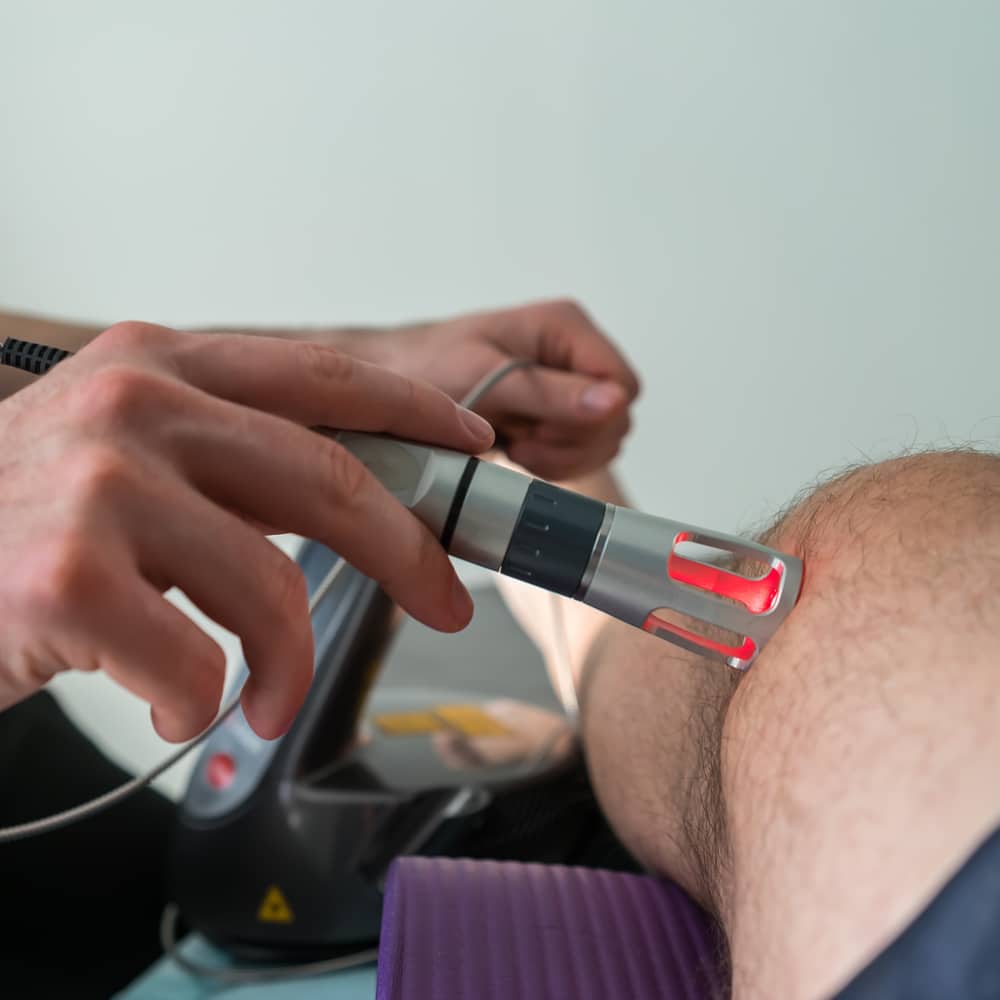
Class IV laser therapy, also called photobiomodulation, uses specific wavelengths of light delivered through the skin to the treatment area. The device does not cut or puncture the skin, and sessions are typically brief, often ten to twenty minutes.
The science behind how it works
Laser therapy is thought to stimulate cellular activity in the treated tissue, which may support the body’s own repair processes and help reduce inflammation. Research on photobiomodulation continues to grow, and results can vary by condition and by individual patient.
Potential benefits patients report
Many patients report a possible reduction in pain and stiffness after a course of laser therapy sessions, particularly for soft tissue and joint-related conditions. Because it is non-invasive and drug-free, it is often considered before more invasive interventions.
Limitations to understand before starting
Laser therapy is not a guaranteed fix, and it typically works best as part of a broader treatment plan rather than a stand-alone cure. Results can take several sessions to become noticeable, and not every condition responds the same way. It should be viewed as one tool among several, not a replacement for a full evaluation by a pain management physician.
Is laser therapy right for you?
The best way to know is a proper evaluation. Class IV laser therapy is usually offered as part of a broader, drug-free treatment approach, alongside shockwave and EMTT therapy, tailored to each patient’s specific condition.
Frequently asked questions
Is Class IV laser therapy the same as the cold laser devices sold online?
No. Class IV refers to a higher power output than the low-level or cold laser class, which changes depth of penetration, treatment time and the safety precautions required. Consumer devices are typically much lower powered. Power alone does not decide whether a treatment suits a given condition, which is what an evaluation is for.
Why is eye protection needed during laser therapy?
Because higher-powered laser light can damage the retina, including from a reflected or scattered beam, and the normal blink reflex offers no protection at these wavelengths. Goggles rated for the specific wavelength are worn by the patient and by anyone else in the room for the whole session. That requirement is one reason treatment is delivered in a controlled setting.
Are there people who should not have laser therapy?
Several groups are treated cautiously or excluded. Treatment is generally avoided over a known or suspected tumor, over the abdomen in pregnancy, near the thyroid, and over the eyes. Photosensitizing medication, a recent steroid injection into the area, and active bleeding all need review. Heavily pigmented or tattooed skin absorbs more energy, so settings are adjusted accordingly.
Does laser therapy hurt or leave a mark on the skin?
It is not usually painful. Most patients feel a gentle warmth under the handpiece as it moves over the area, and there is no incision, needle or wound. The treated skin occasionally feels warm or slightly tender afterward. A burning sensation during the session is not expected and should be reported at once so the settings can be changed.
Wondering whether laser therapy applies to your pain?
A physician-led evaluation finds the driver first, then matches the treatment. More on laser therapy.
Serving Brooklyn, the Five Towns, and Monsey.


