
💉 PIT Therapy: Precision Against Pain
A Smarter Way to Target Nerve Pain
Not all pain comes from injuries you can see. In many chronic pain cases, the root of the problem lies in small, inflamed peripheral nerves. The ones just beneath the skin that carry signals to your brain. When these nerves are irritated, even light touch can feel like burning, stabbing, or electrical shocks.
That’s where Perineural Injection Therapy (PIT) comes in.
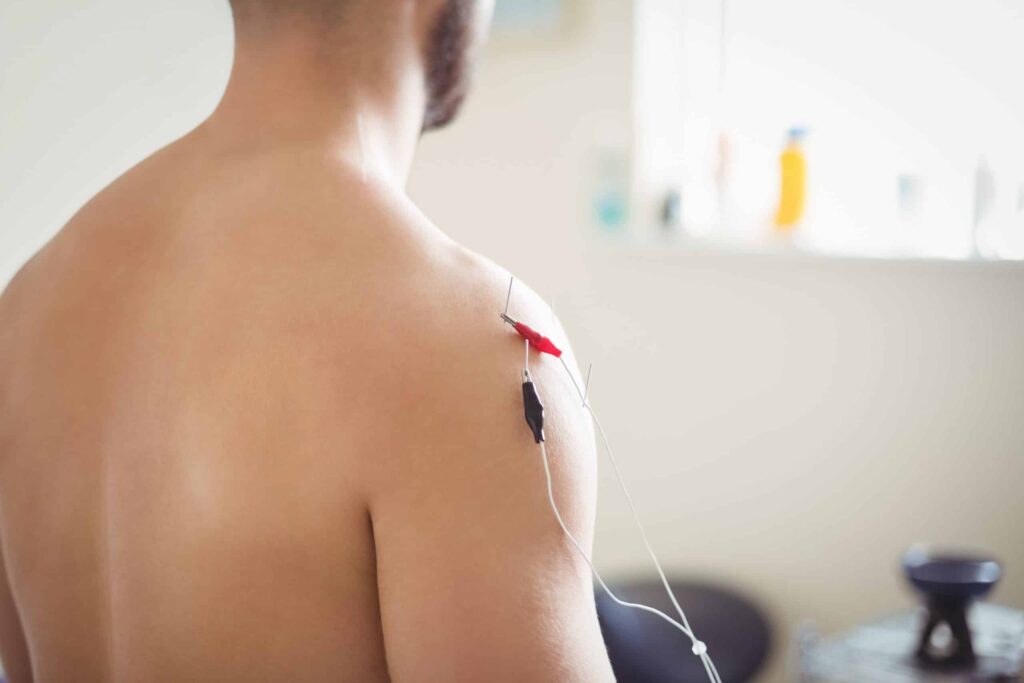
PIT is used to treat nerve inflammation with pinpoint precision, offering fast relief without systemic medications or long recovery times.
What Is Perineural Injection Therapy?
Key benefits:
- Non-invasive and drug-free
- Treats nerve inflammation, not just symptoms
- Effective for neuropathic and musculoskeletal pain
- Immediate improvement often within the first session
Unlike cortisone injections, PIT doesn’t suppress your immune system, it restores normal nerve function.
🎯 What Conditions Does PIT Treat?
PIT is ideal for patients with:
- 📌 Chronic nerve pain or sensitivity (neuropathic pain)
- 📌 Neck and back pain with nerve irritation
- 📌 TMJ and facial pain
- 📌 Tennis/golfer’s elbow
- 📌 Sciatica
- 📌 Carpal tunnel or cubital tunnel syndromes
- 📌 Whiplash or nerve injury after trauma
It’s especially valuable when other therapies (like medications, physical therapy) haven’t provided complete relief.
🧪 How Does It Work?
When a nerve is inflamed, its surface becomes more sensitive. Sending excessive signals that your brain interprets as pain. PIT therapy works by normalizing the electrical potential of those nerves.
- The dextrose solution is gently injected around nerve endings
- This calms TRPV1 and other pain-related receptors
- Within minutes, the nerve becomes less reactive
Most patients feel a noticeable decrease in pain, tingling, or burning by the end of the session.

🔄 A Series of Targeted Treatments
Each PIT treatment takes about 30 minutes and involves multiple microinjections across affected areas. Most patients require a series of 4–8 treatments spaced weekly to achieve lasting results.
PIT is often combined with:
| Complementary Therapy | How It Enhances PIT |
|---|---|
| ⚡ EMTT Therapy | Calms deep nerve roots and cellular inflammation |
| 🔬 Laser Therapy | Improves blood flow and reduces superficial inflammation |
| 🧠 AIMS Therapy | Re-trains muscle and nerve coordination |
| 🏃 Physical Therapy | Builds strength and mobility without aggravating nerves |
✅ Advantages of PIT vs. Traditional Injections
| PIT Therapy | Steroid Injections |
|---|---|
| Natural dextrose | Synthetic corticosteroids |
| Targets nerve inflammation | Masks inflammation |
| No tissue degeneration | Risk of tissue damage over time |
| Promotes healing | Suppresses immune response |
| Repeatable safely | Limited use due to side effects |
🛡️ Is PIT Safe?
Yes. PIT uses biocompatible dextrose that has no systemic effect and does not interact with medications. It is well-tolerated in nearly all patients, including those with diabetes, autoimmune conditions, or medication sensitivities.
It’s safe for:
- Elderly patients
- Active individuals
- Post-surgical patients
- Patients avoiding opioids or steroids
📈 What to Expect
- 📅 Decreased pain within 1–2 sessions
- 📅 Reduced hypersensitivity in daily activities
- 📅 Less burning, tingling, and nerve pain
- 📅 Better tolerance to physical therapy or movement
Your clinician will evaluate the exact pattern of pain to customize the injection map.
🏥 Conclusion
PIT is one of the most targeted, gentle, and neurofunctionally intelligent treatments available in pain medicine today. For patients living with unresolved nerve pain, it can mean real relief, without the risks of surgery or systemic drugs.
And it’s available now, right here in Brooklyn.
Frequently asked questions
What does PIT therapy actually target?
Small peripheral nerves close to the skin surface that have become irritated and are transmitting pain out of proportion to any visible injury. The approach treats those nerves directly, which is why it is used in cases where scans look unremarkable but the pain is persistent and well localized.
How is PIT different from a cortisone injection?
Target and intent. Cortisone is placed into a joint or inflamed structure to suppress inflammation broadly. PIT is directed at specific irritated peripheral nerves, in a series of small superficial treatments rather than a single deeper one. They address different sources of pain.
Why is PIT given as a series rather than a single treatment?
Nerve irritation settles gradually, and repeated low-intensity treatment allows the response to build while keeping each session small. A single treatment rarely produces lasting change. The number of sessions is set by how the nerve responds rather than fixed in advance.
What is normal after a PIT session?
Mild soreness or small marks where the treatment was applied, usually settling within a day or two. Some people notice a change in symptoms quickly and others after several sessions. Anything beyond mild local soreness, particularly spreading redness or fever, should be reported.
Nerve pain that has outlasted the usual treatments?
A physician-led evaluation identifies the nerve involved before treatment starts. More on PIT therapy.
Serving Brooklyn, the Five Towns, and Monsey.


